I spent around 50 SAR training a LoRA on Civitai to build a consistent synthetic brand ambassador for Pwerza, the tennis and padel apparel brand I co-founded with my wife. Three training runs. Three different failure modes. And by the end of it, I realized the tool I already had — just image referencing with Nano Banana 2 and GPT Image — was producing better results with almost no setup. This is the full breakdown of what I tried, what broke, and where I landed.
TL;DR
- Three LoRA training attempts: missing trigger keywords, wrong base model, and finally a working-but-limited result that couldn't handle outfit changes.
- Image referencing with NB2 or GPT Image hit 90% consistency using just a character sheet — no training, no waiting, no cloud compute bills.
- For social content and early-stage brand assets, reference-based generation wins on every practical measure. LoRA's time will come, but it's not now — at least not for my use case.
What was I trying to solve?
Pwerza needed a consistent synthetic brand ambassador — a recognizable face that could appear across product shots, social content, and campaign visuals without hiring a real model for every shoot. The community hype around LoRA training made it sound like the obvious path: train the model on a face, lock it to a trigger token, generate that exact person on demand.
I wanted to test whether that hype was real. So I did.
Attempt 1: I forgot the most basic thing
I trained on Civitai because I don't have the hardware to run it locally — no massive GPU, just an M4 Max Mac Studio that routes all heavy compute to the cloud. I built a dataset, set up the config, paid for the run, and waited.
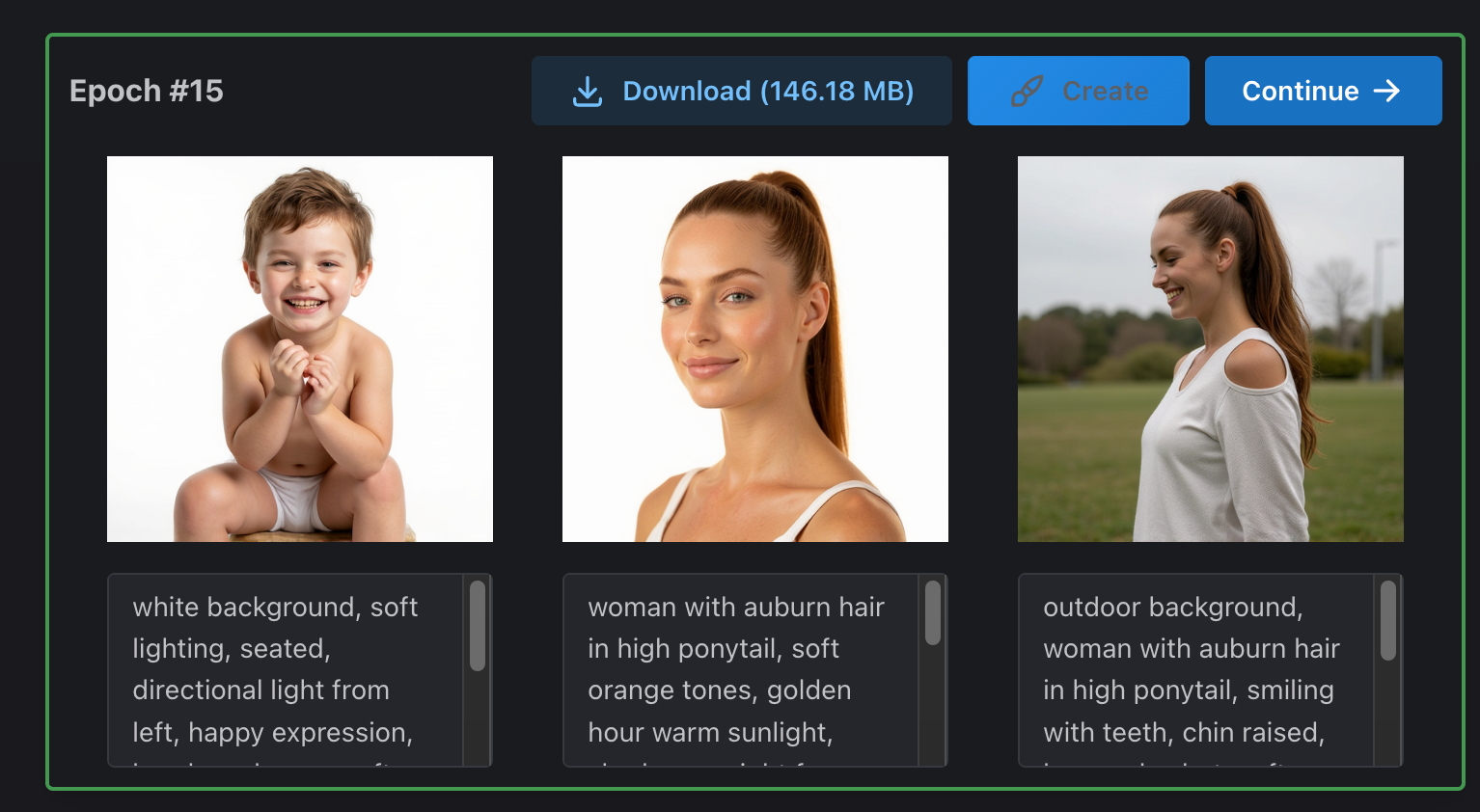
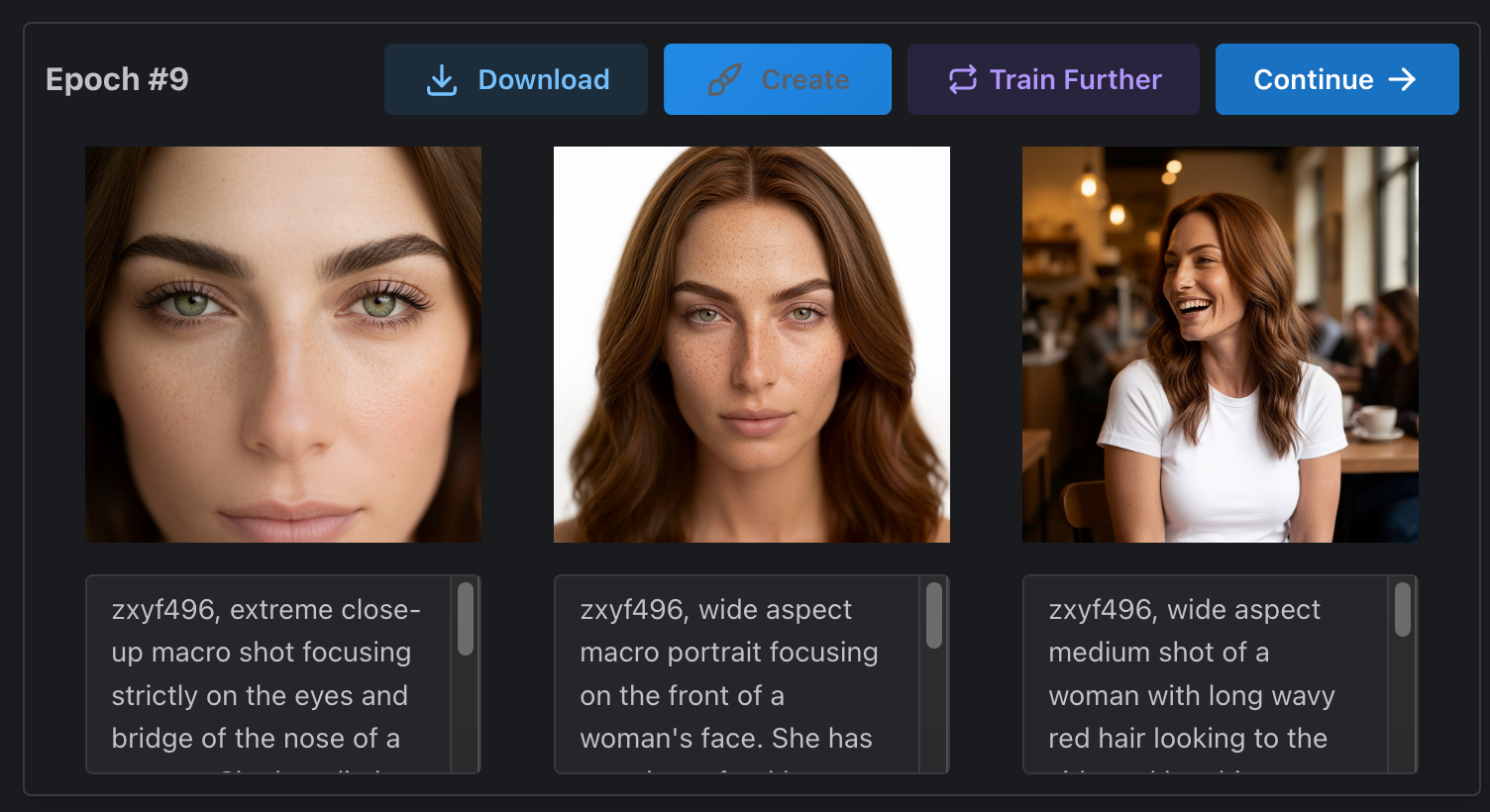
The results were completely random. Different faces every generation, wrong gender, no consistency at all across 15 epochs.
The mistake was embarrassingly simple: I didn't include the trigger keyword in every caption in my dataset. The model had no anchor to bind the identity to. It learned "auburn-haired women in general" instead of learning that ohwx_pwerza meant this specific face. Half-baked LoRA. Fully wasted run.
Attempt 2: I trained on the wrong model entirely
For the second run, I thought I was being smarter. I chose Flux 2 9B — it had 9 billion parameters, which sounded like more capacity, more capability. Better model, better LoRA. That was my logic.
It was wrong. Flux 2 9B produced terrible results, and it wasn't just about the output quality. The real problem I discovered afterward: Weavy doesn't have a Flux 2 Dev LoRA node. I had spent time and money training a LoRA on a model I couldn't even plug into my generation pipeline. Incompatible from the start.
The lesson: always confirm your training model matches the inference environment before you spend a single riyal on training.
Attempt 3: It actually worked — mostly
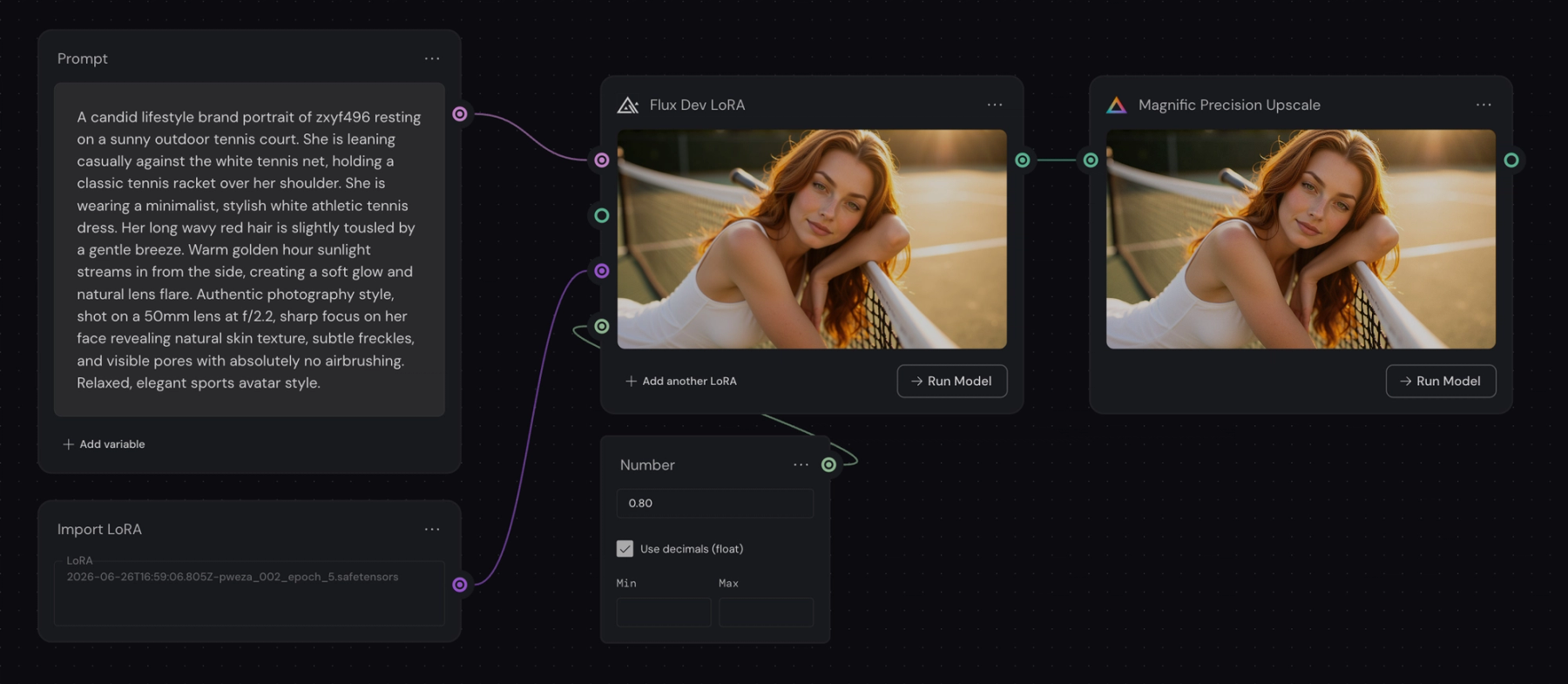
Third run. Flux 1 Dev this time, which is what Weavy supports. Fixed the captions, fixed the model, got decent results. The face was consistent enough to use. I considered it a working LoRA.
The problem showed up the moment I tried to change the outfit.
I wanted to put the avatar in different Pwerza gear — reference the shirt, swap the look. The results were hallucinations. Wrong colors, distorted fabric, the brand identity falling apart. I couldn't reliably change what she was wearing without the image breaking down.
That might be solvable. Maybe I need to train with more outfit variety in the dataset. Maybe Flux 1 still has limitations here that a newer model would handle better. I'm still learning — there are hundreds of parameters I haven't tested yet. But in that moment, with a production need sitting in front of me, the LoRA wasn't delivering.
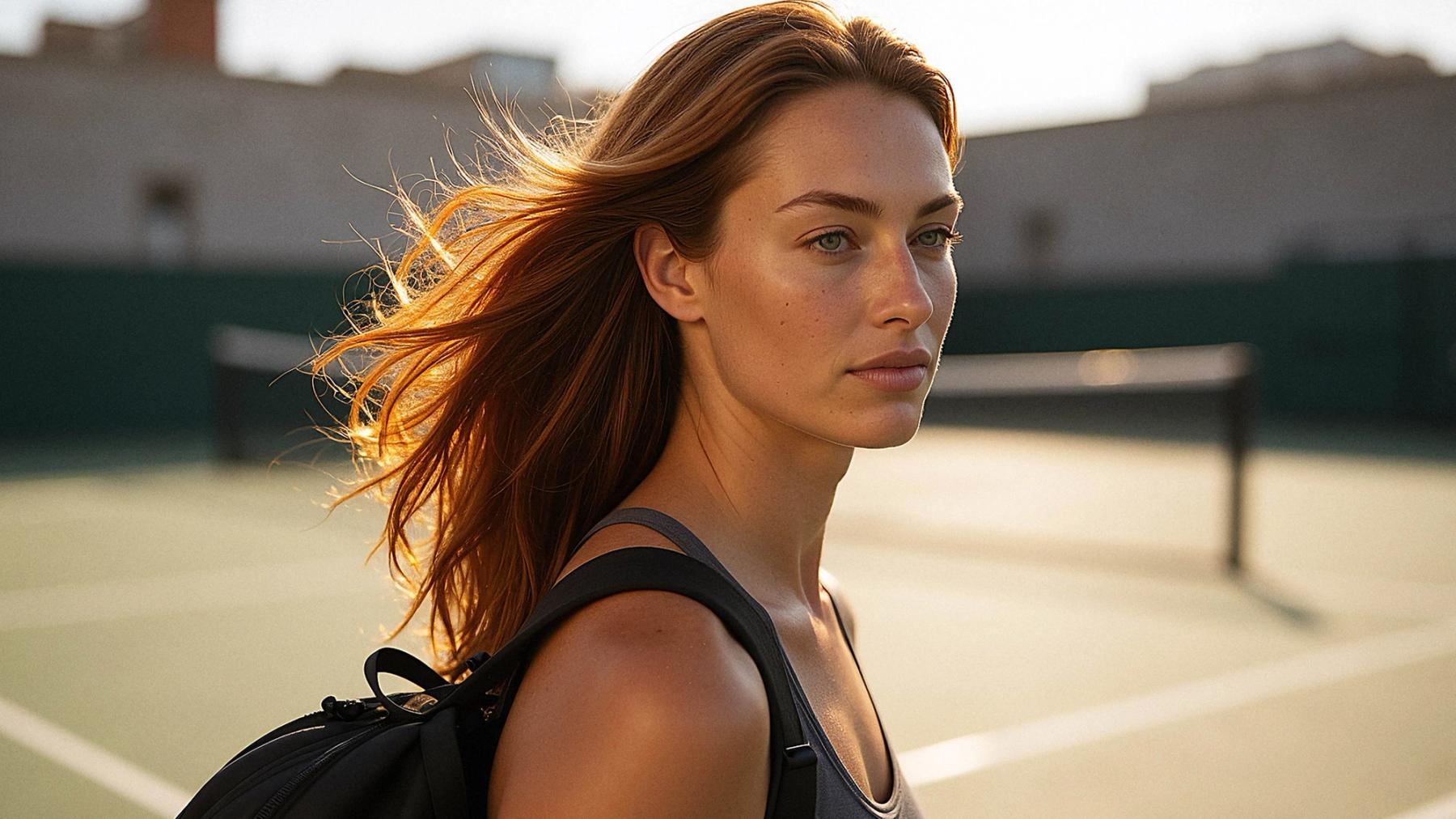
What image referencing actually did
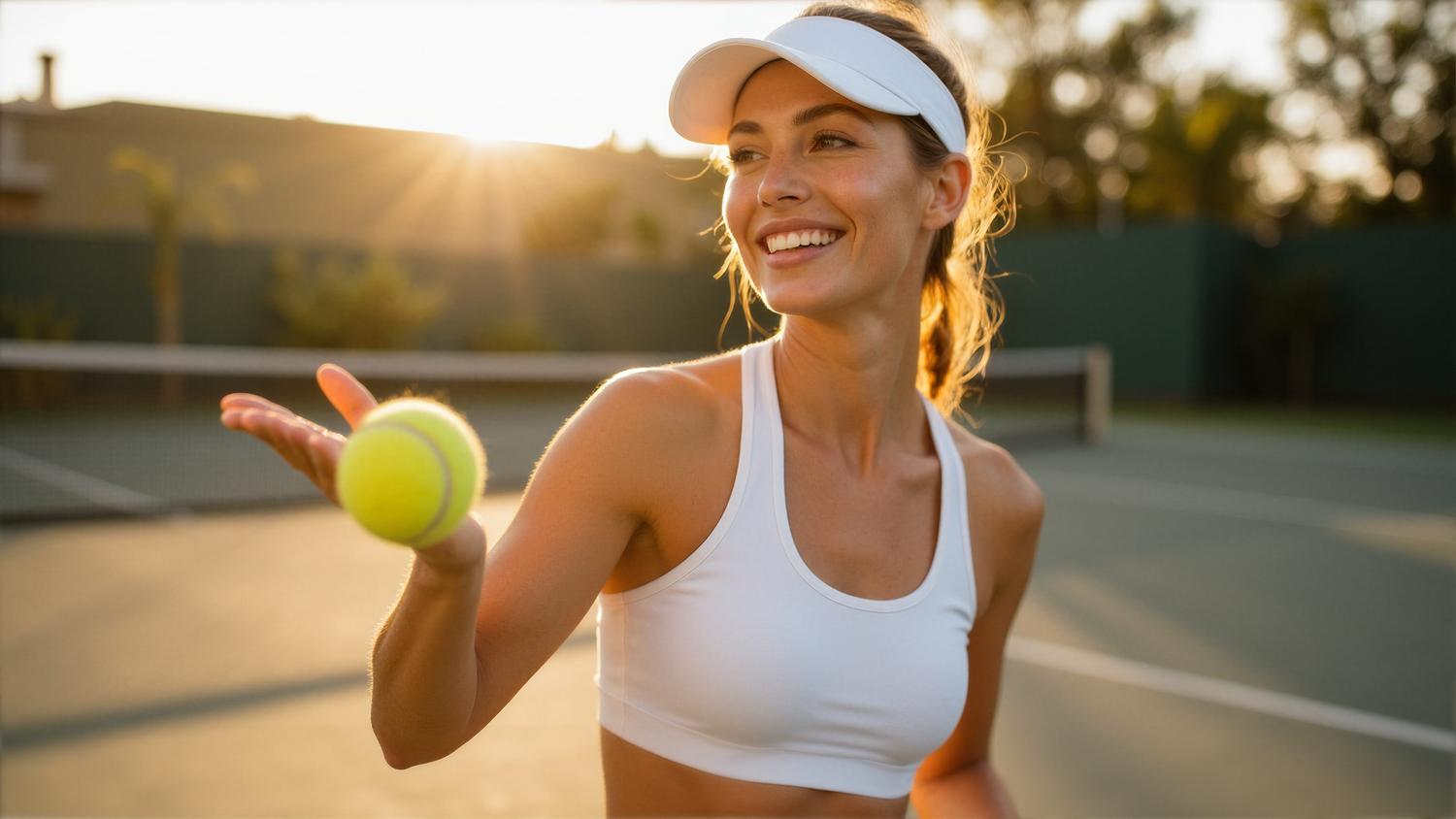
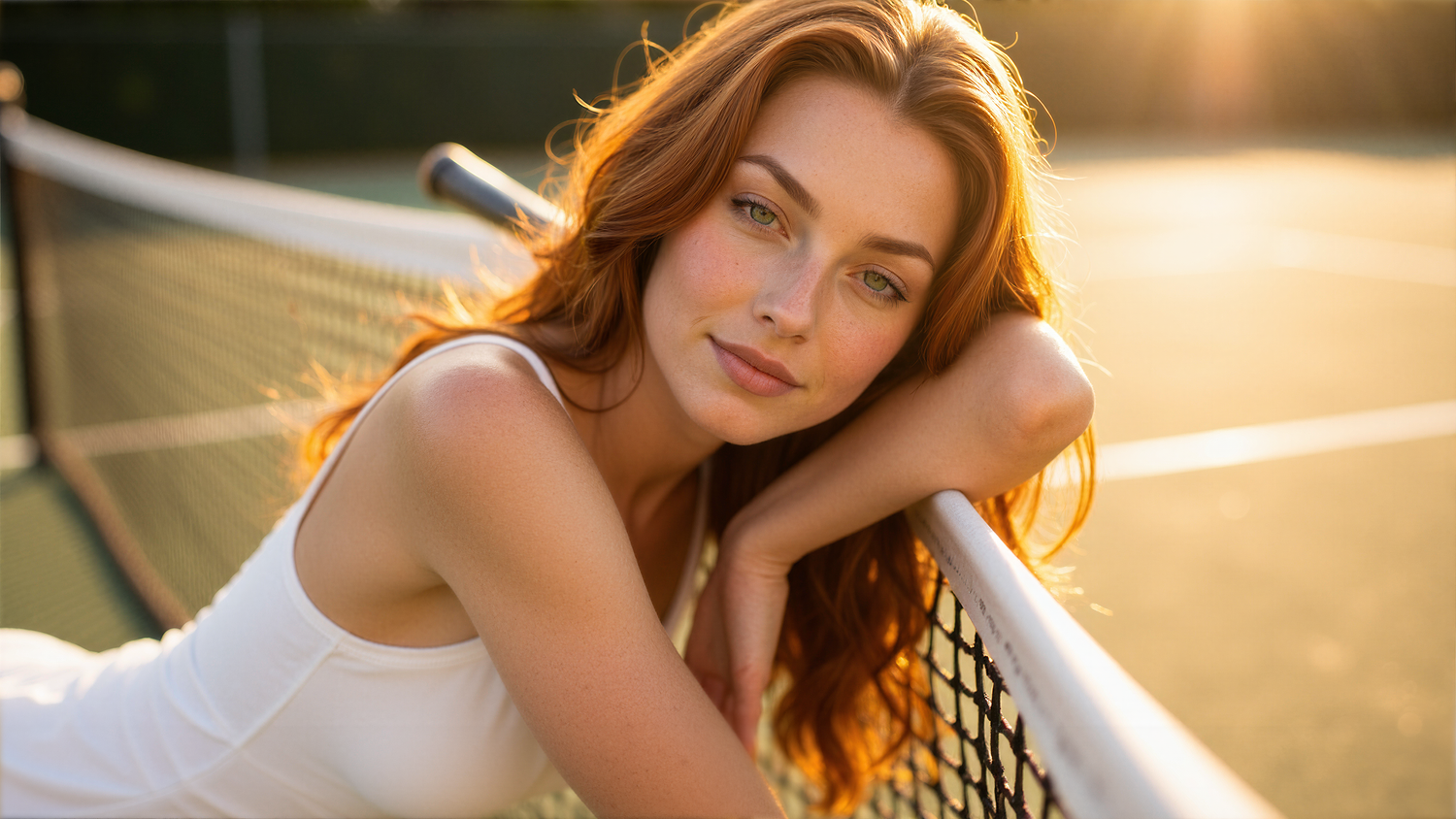
While I was stuck on the outfit problem, I ran the same brief through Nano Banana 2 with a character sheet and a reference image of the Pwerza kit. Just that. No training, no trigger tokens, no waiting for a cloud job to finish.
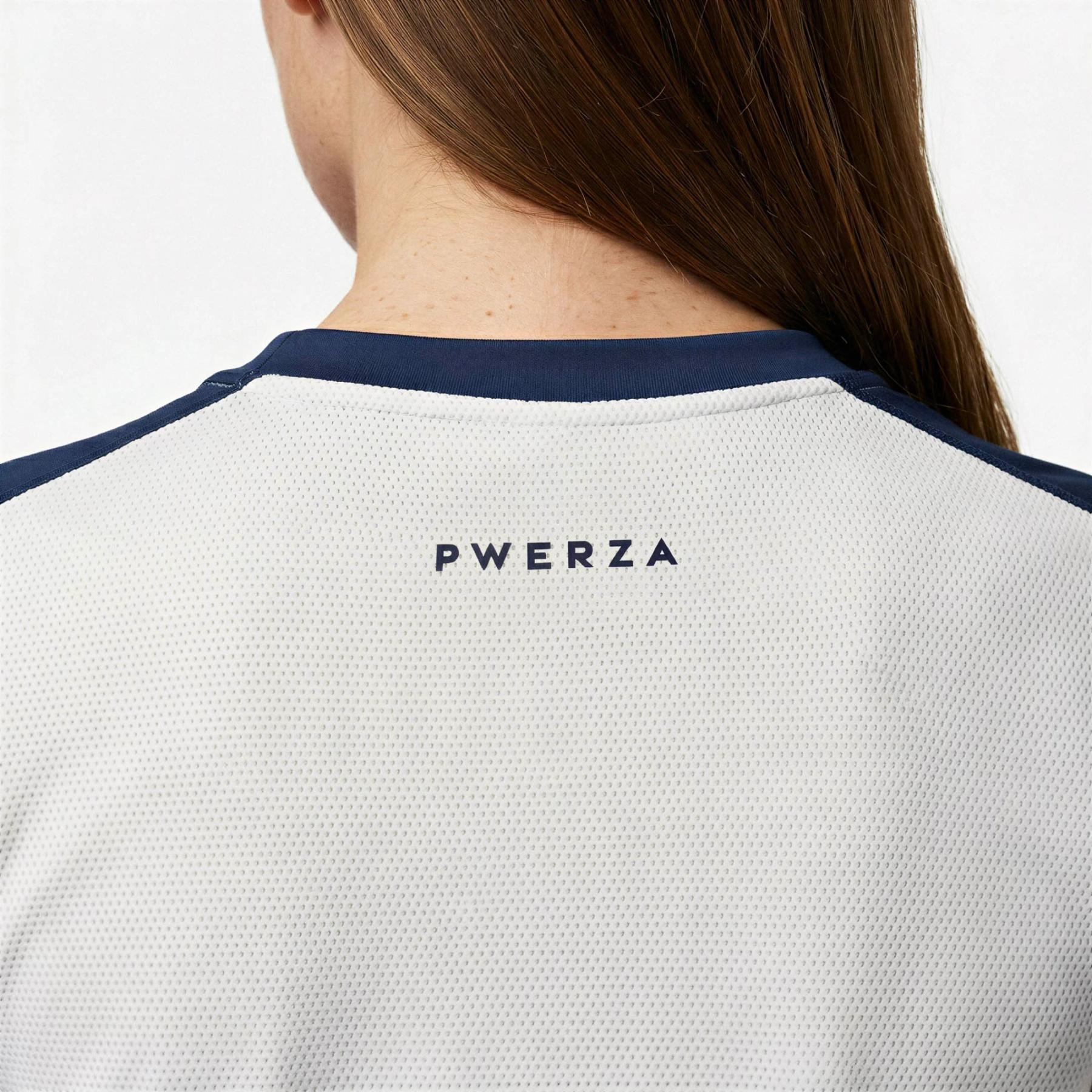
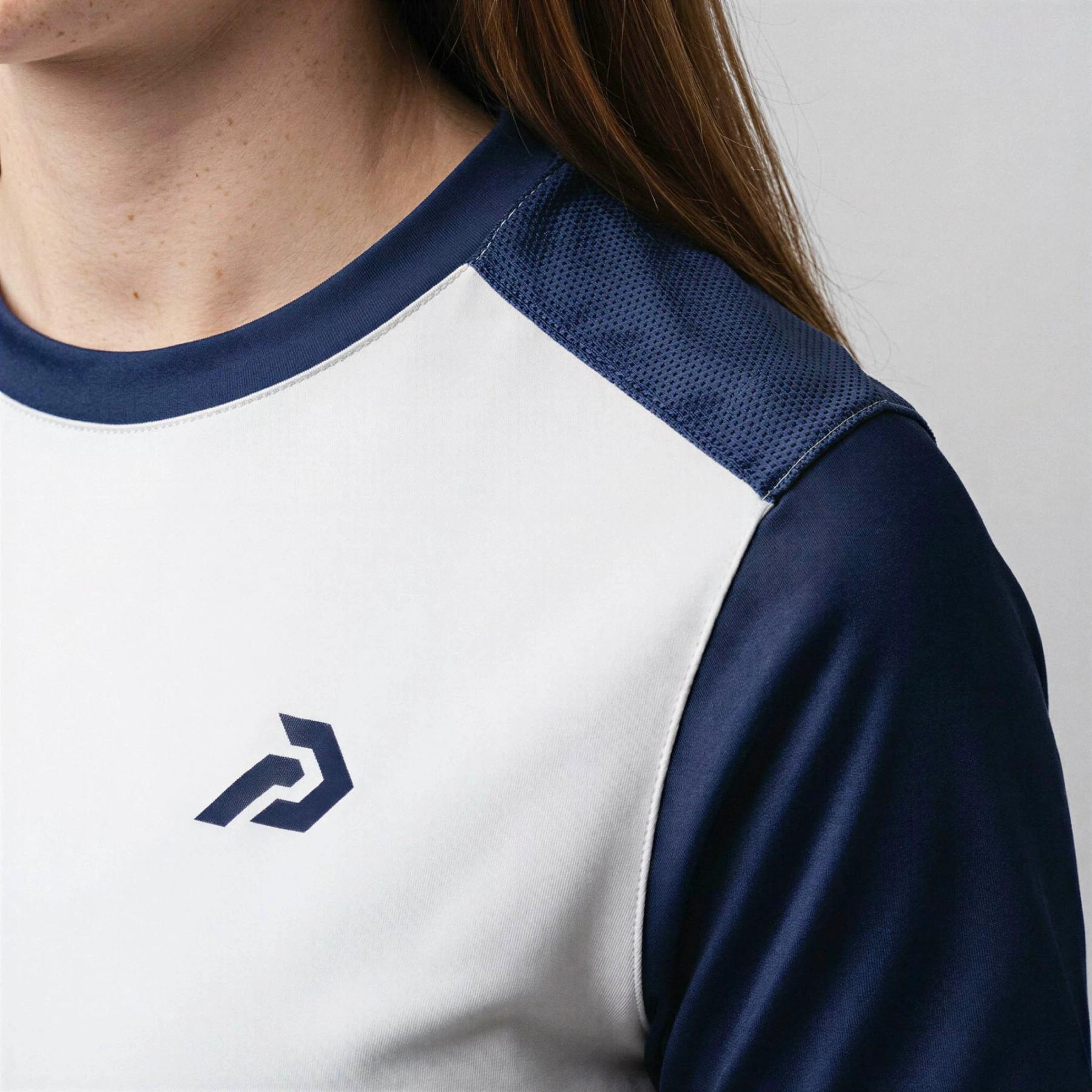
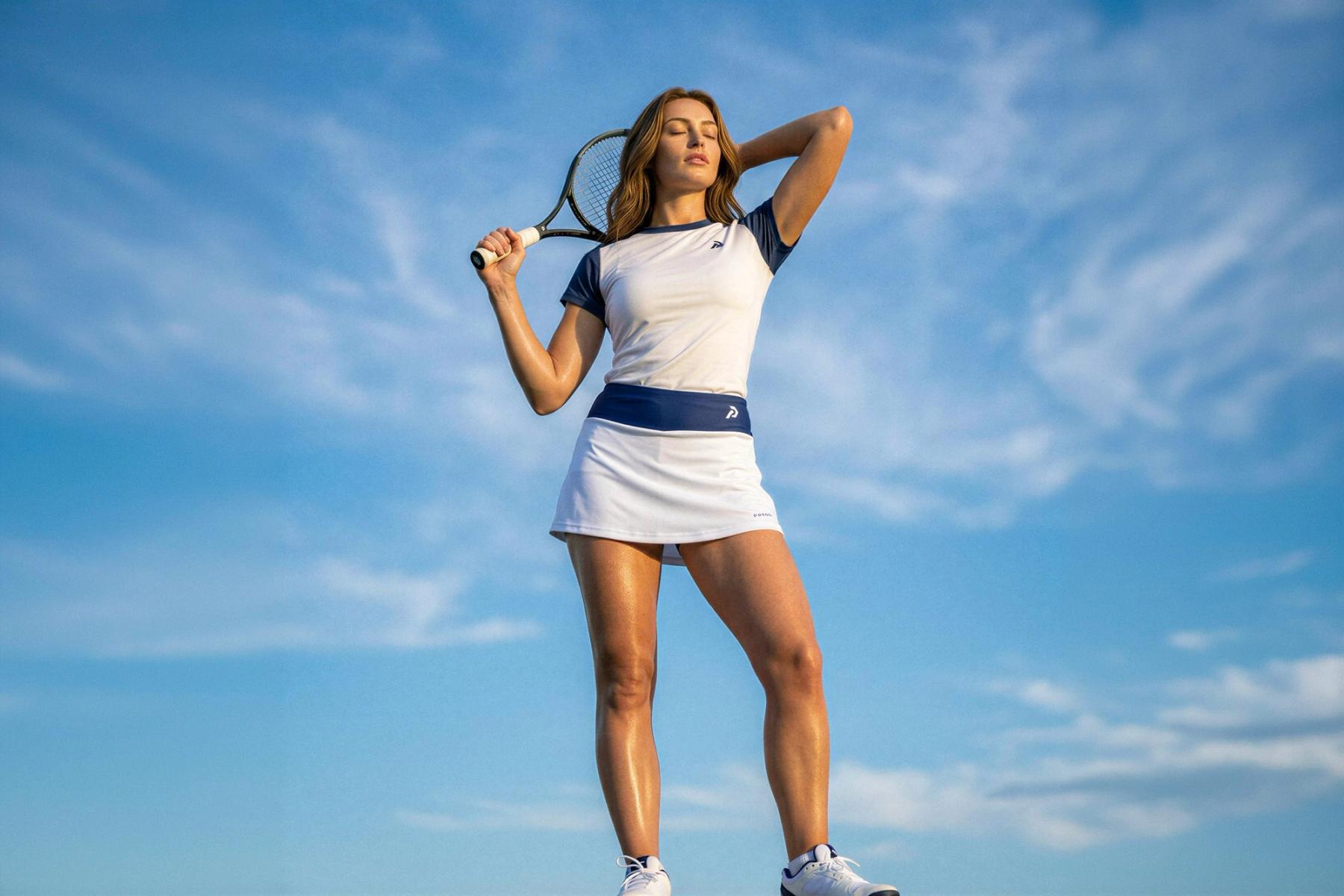
The images below are from that test. The product is our real Pwerza kit — actual colorway, actual logo. The model is fully synthetic.
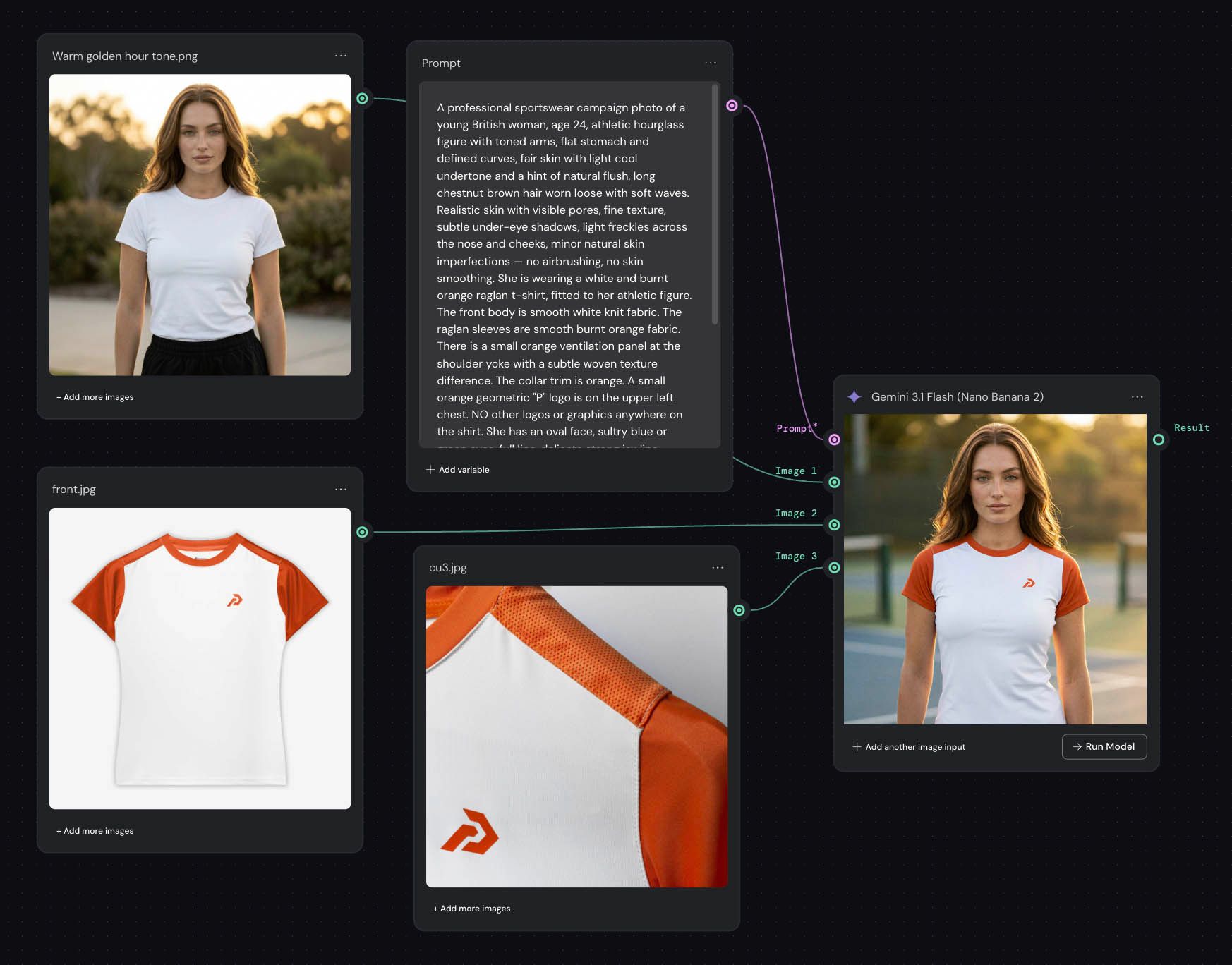
The logo placement is accurate. The colorway is right. The fabric reads like the real thing. About 90% of outputs were usable for social, website, and marketing assets — no retouching needed.
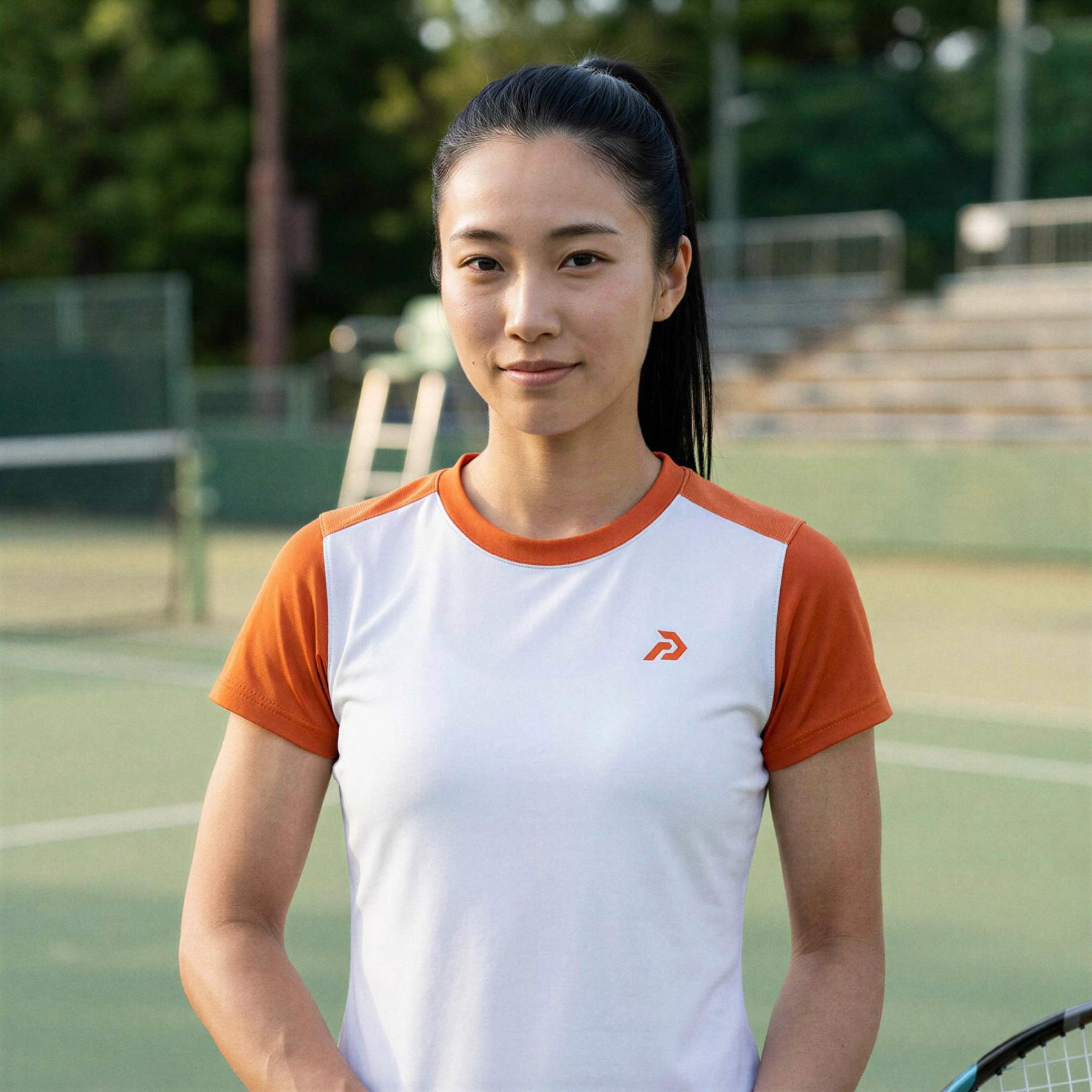
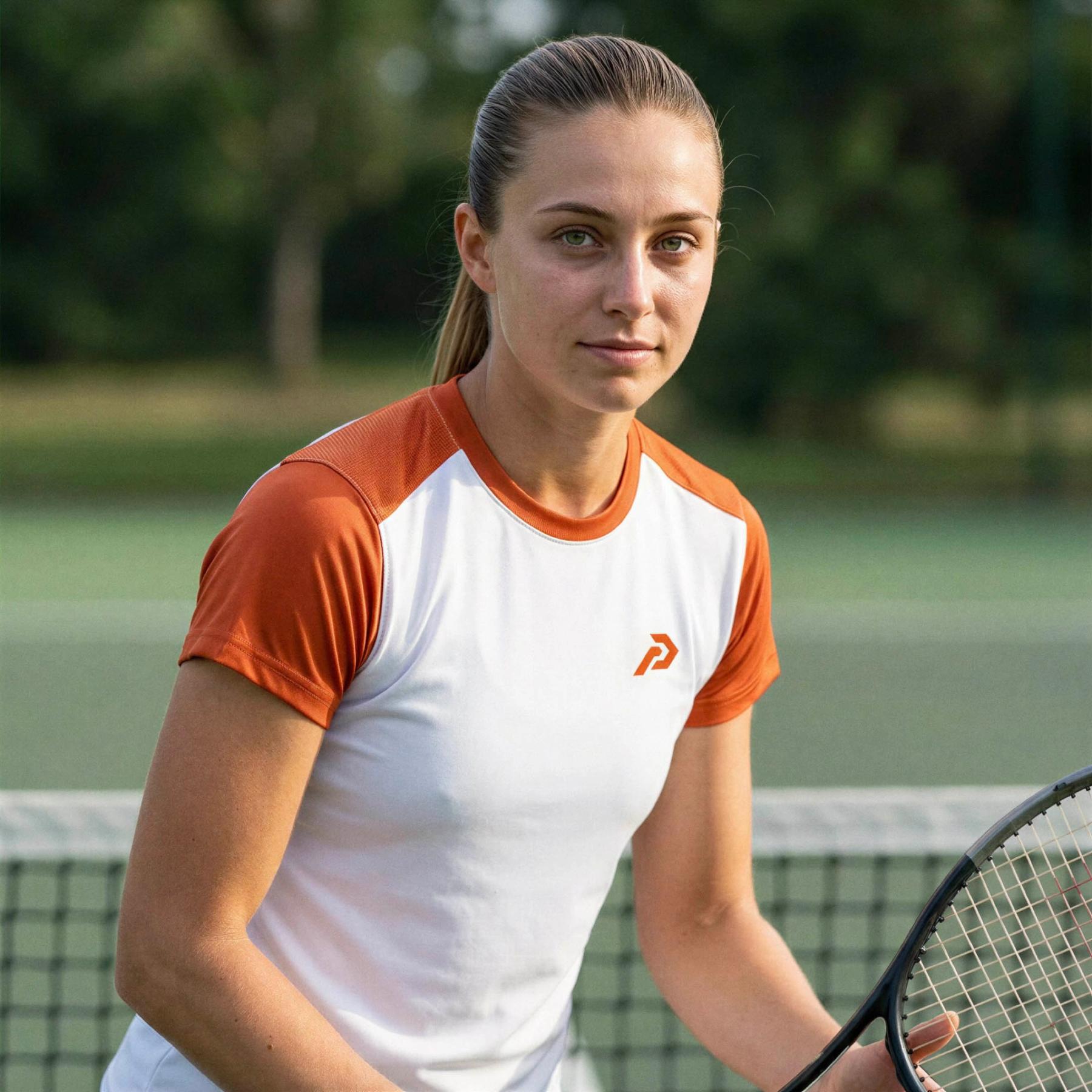
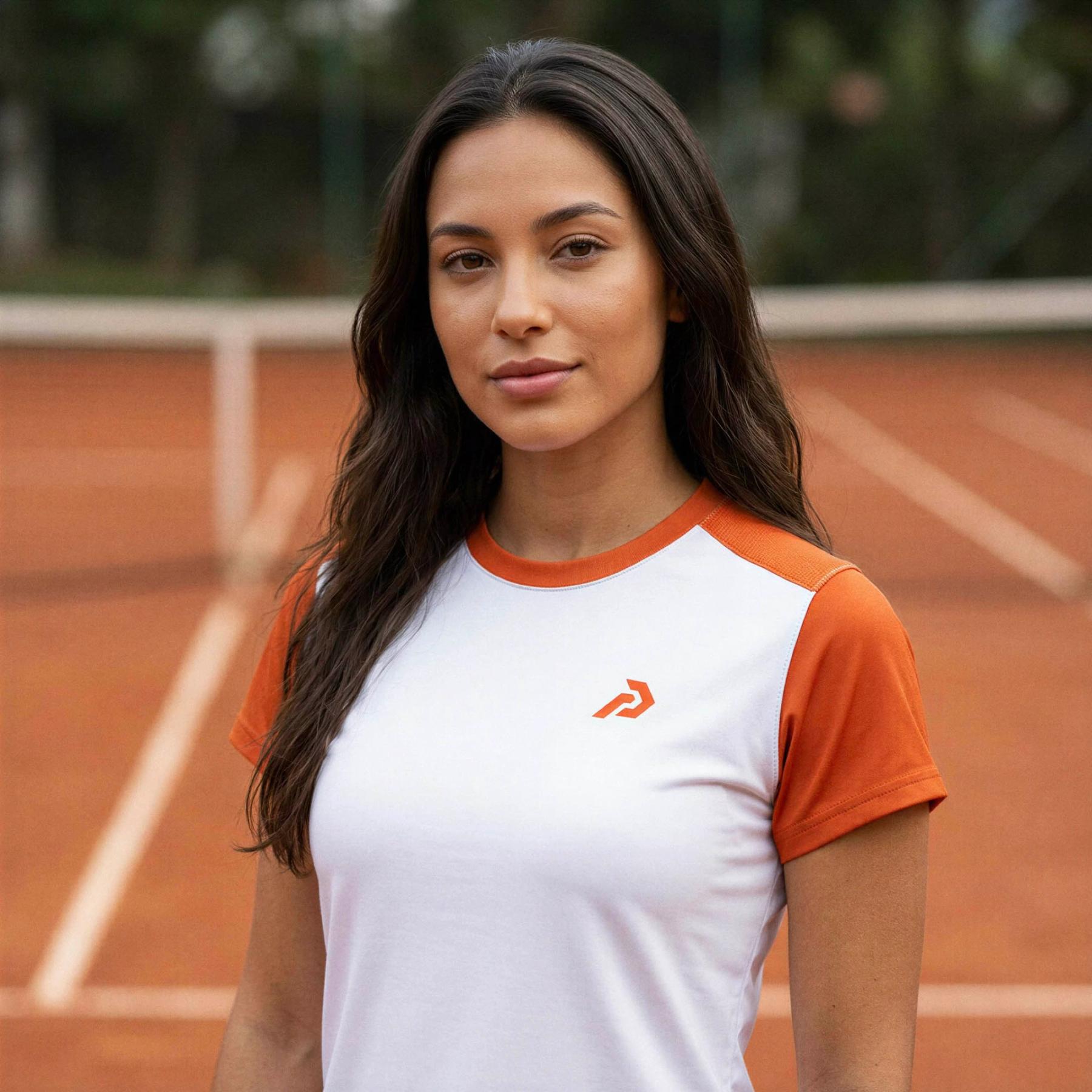
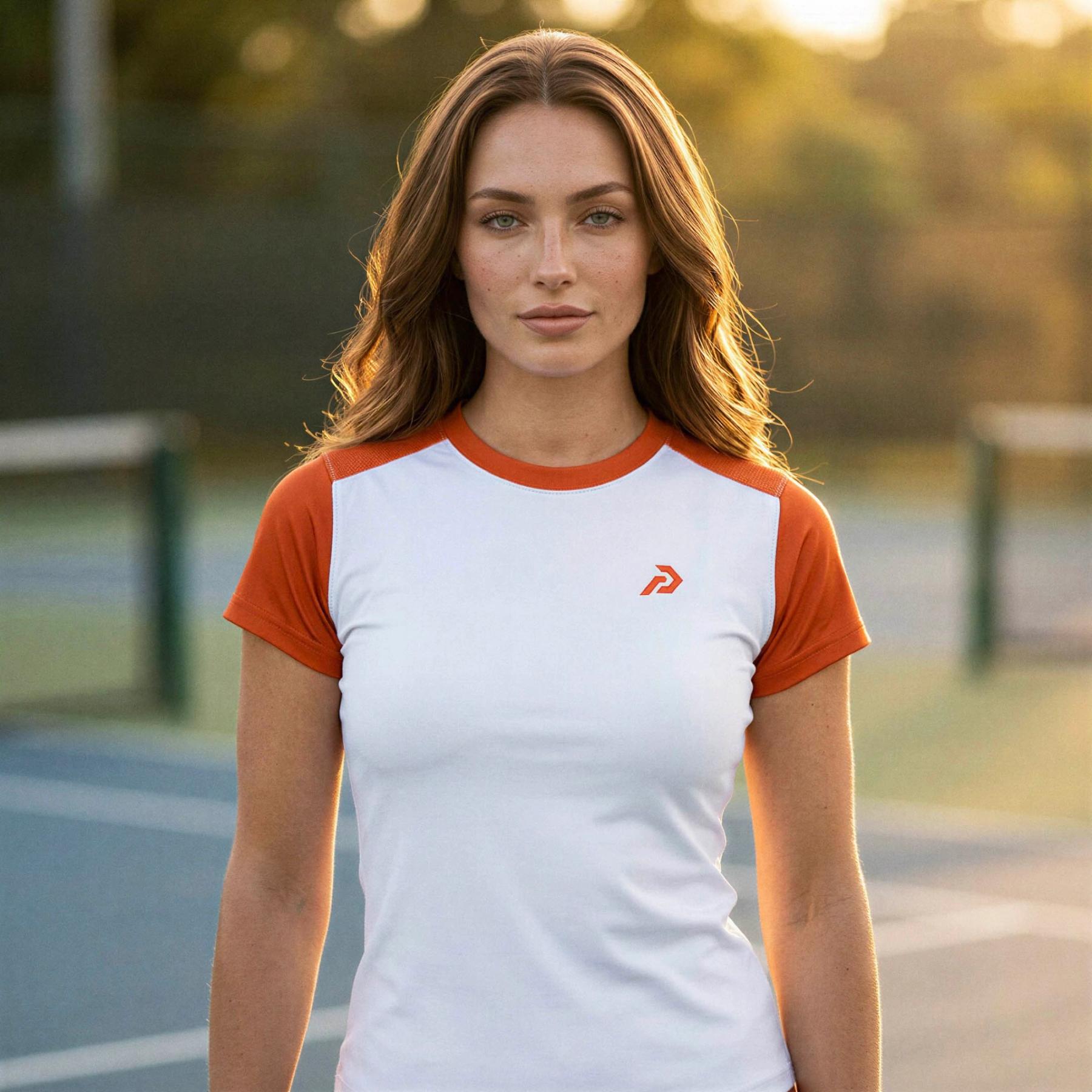
No training run produced results this clean. And I could change the outfit by simply updating the reference image instead of retraining a model.
I got the same quality from GPT Image using the same approach. Character sheet in, solid reference, clean generation out.
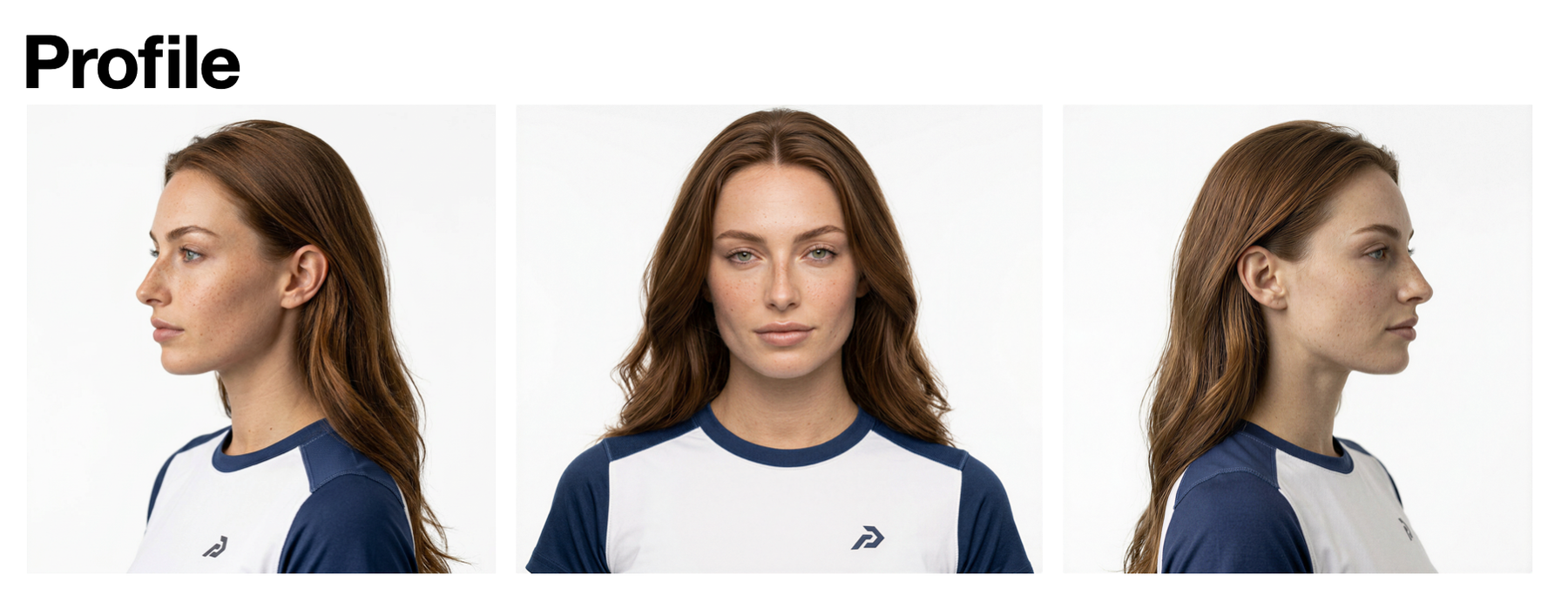
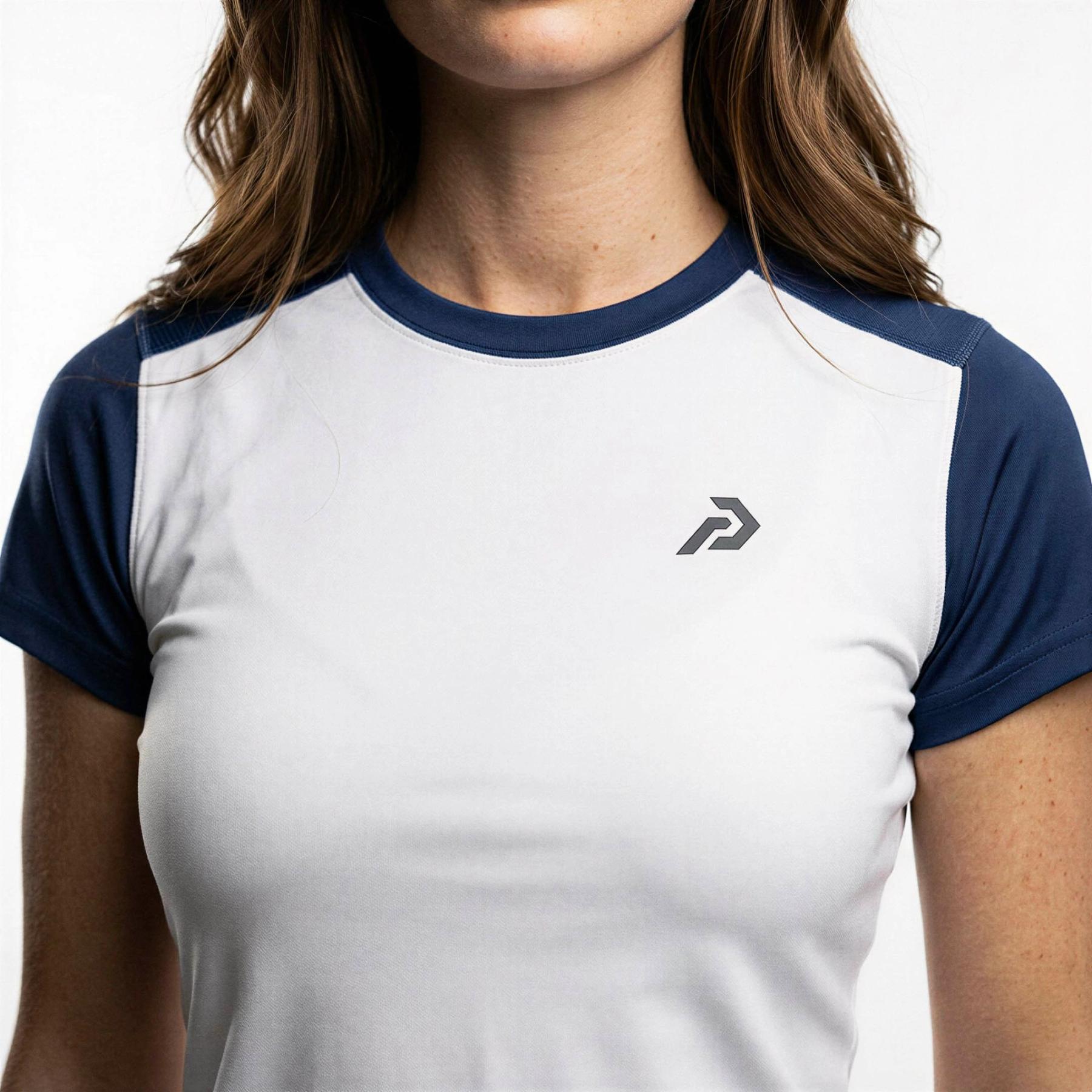
Where I landed
This is my first time training a LoRA, and I know I still have a lot to learn. The community around LoRA training is massive, the parameter space is deep, and I'm sure there are configurations that would have given me better outfit flexibility. I'll keep testing.
But for where Pwerza is right now — early-stage, producing social content and brand assets in small batches — image referencing is just better on every practical axis.
Reference-based generation wins for me because:
- No training cost or cloud compute waiting time
- Outfit changes are a reference swap, not a retrain
- 90% consistency is enough for social, website, and lookbook use
- The pipeline is already built in Weavy — it's one node, not a multi-step training workflow
Where I think LoRA will eventually make sense:
- When I need the same face generated by multiple people on the team without everyone managing a character sheet
- When batch volume gets large enough that manual reference selection becomes the bottleneck
- When I need consistency above 95% for print or large-format work
- When Flux's outfit-referencing capability matures — or when I've properly trained with outfit variety in the dataset
The hype around LoRA is real. For the right use case, at the right scale, it's the correct tool. But "best tool available" and "best tool for your situation right now" are different questions. For me, right now, the answer is clear.
I'll stick with image referencing. And I'll keep training LoRAs on the side until I actually need one.